

COBRA Administration for Employers: Compliance Requirements, Deadlines, and Best Practices
COBRA (Consolidated Omnibus Budget Reconciliation Act) administration is a critical aspect for employers managing employee benefits. This legislation allows employees to continue their health insurance coverage after leaving employment under certain conditions. Understanding the compliance requirements, deadlines, and best practices for COBRA administration is essential for employers to avoid penalties and ensure that employees receive their entitled benefits. This article will delve into the key compliance requirements, important deadlines, and best practices for effective “COBRA administration”. Additionally, we will explore eligibility criteria, notification obligations, and strategies for managing COBRA processes efficiently.
Compliance Requirements
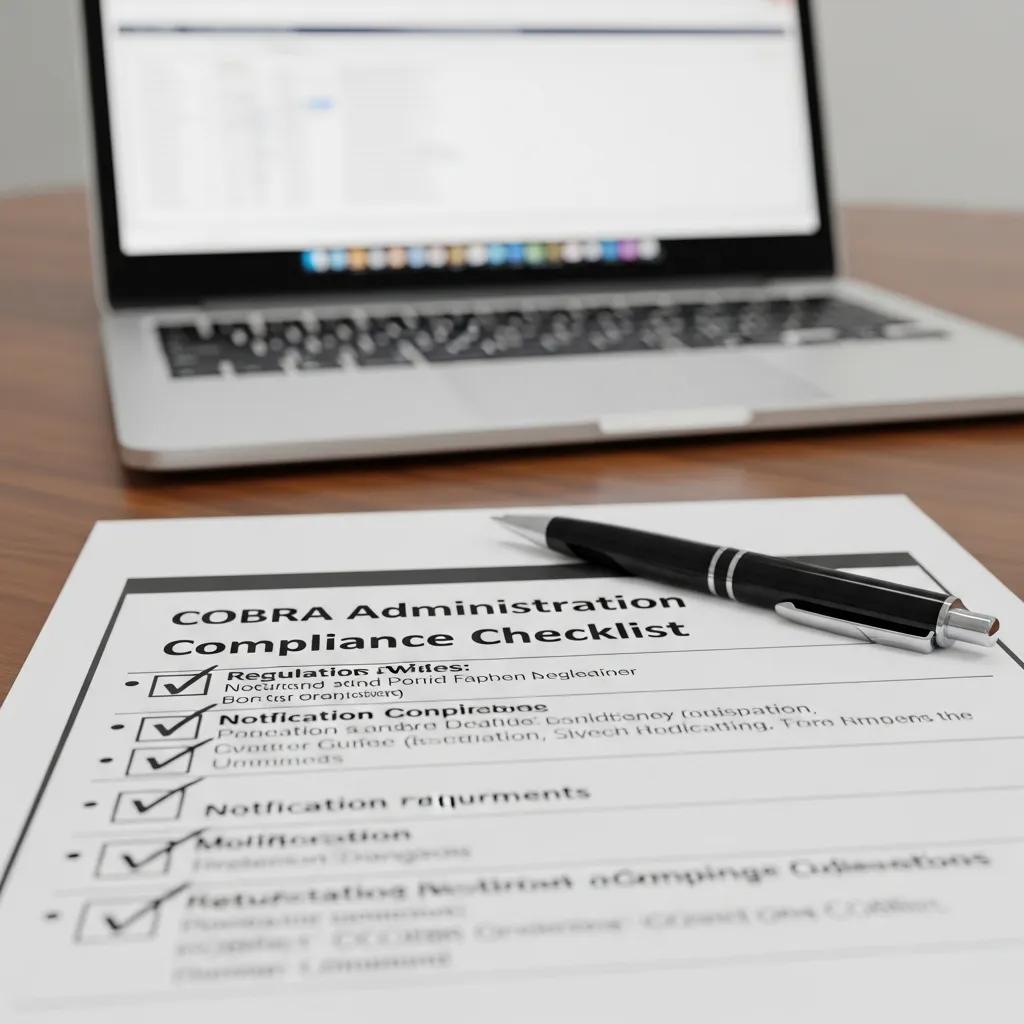
COBRA compliance requirements are essential for employers to understand to avoid legal repercussions. COBRA mandates that employers with 20 or more employees provide continuation coverage for eligible employees and their dependents after qualifying events such as job loss or reduction in hours. Employers must notify employees of their rights under COBRA, including the eligibility criteria and the process for electing coverage. Failure to comply with these requirements can result in significant penalties, making it crucial for employers to stay informed and proactive in their “COBRA administration efforts”.
How Long Does COBRA Coverage Last?
For HR professionals and C-suite executives navigating COBRA administration, understanding how long does COBRA coverage last is fundamental to strategic benefits management. The standard duration of COBRA coverage is 18 months following a qualifying event such as job loss or reduction in hours. However, this period can be extended under specific circumstances to provide additional protection for beneficiaries.
Notably, if a qualified beneficiary receives a Social Security Administration (SSA) disability determination at the time of, or within 60 days of, the qualifying event, COBRA coverage may be extended to 29 months. This extension ensures that individuals facing disability have continued access to health coverage during a critical period.
Further, COBRA coverage can last up to 36 months for certain qualifying events beyond employment termination. These include divorce or legal separation from the covered employee, the death of the covered employee, or when a dependent child loses dependent status under the plan. These extended durations reflect the need to support beneficiaries through significant life changes.
Employers should also be aware of early termination triggers that can end COBRA coverage before these maximum durations. Coverage may cease if the qualified beneficiary fails to pay premiums on time, if the employer discontinues offering any group health plan, if the beneficiary gains coverage under another group health plan, or if the beneficiary becomes entitled to Medicare.
From a practical standpoint, employers are advised to proactively communicate these duration timelines in writing at the time of employee separation. Clear explanation of the election window and thorough documentation of all notices sent are essential to mitigate compliance risks and foster transparency. This consultative approach not only supports compliance but also reinforces trust with employees during transitional periods.
COBRA Notice Requirements and Timelines
In the complex landscape of COBRA administration, adherence to precise notice requirements and timelines is paramount. At CFH Insurance Consultants, we emphasize a strategic, consultative approach tailored for HR professionals and C-suite executives to ensure seamless compliance and mitigate risk. The cobra notice process involves multiple critical milestones, each with defined responsibilities and deadlines that must be met to uphold regulatory standards and protect both employer and employee interests.
First, the General Notice must be provided to newly enrolled plan participants and their spouses within 90 days of plan enrollment. This initial communication informs them of their potential COBRA rights, setting the foundation for future compliance.
When a qualifying event occurs—such as termination or reduction in hours—the employer is responsible for notifying the plan administrator within 30 days. This prompt action triggers the next phase of the cobra notice timeline.
Subsequently, the plan administrator has 14 days to send the Election Notice to all qualified beneficiaries. This notice outlines their rights to elect continuation coverage and is a critical document in the COBRA process.
Qualified beneficiaries then have a 60-day Election Period from the later of the date coverage is lost or the date the election notice is provided to decide whether to elect COBRA coverage.
Finally, the First Premium Payment must be received within 45 days of the COBRA election date to maintain coverage.
Failure to comply with any of these notice requirements and timelines can result in significant penalties and jeopardize the employer’s standing. Below is a concise table summarizing these key milestones at a glance, designed to assist senior benefits advisors in maintaining rigorous compliance oversight.
Important Deadlines
Timely compliance with COBRA deadlines is vital for both employers and employees. Key deadlines include:
- Election Period: Employees must elect COBRA coverage within 60 days of receiving notification of their rights.
- Premium Payment Deadlines: Premium payments must be made within 45 days of the election date to maintain coverage.
- Reporting Requirements: Employers must report any qualifying events to the plan administrator within a specified timeframe to ensure compliance.
Understanding these deadlines helps employers manage their responsibilities effectively and ensures that employees do not miss out on their benefits.
Best Practices for Effective Coverage Management

To manage COBRA compliance effectively, employers should adopt several best practices:
- Clear Communication: Maintain open lines of communication with employees regarding their COBRA rights and responsibilities.
- Utilizing Compliance Checklists: Implement checklists to track compliance tasks and deadlines, ensuring nothing is overlooked.
- Engaging Consulting Services: Consider partnering with COBRA administration consultants to navigate complex regulations and streamline processes.
By following these best practices, employers can enhance their COBRA administration and minimize the risk of non-compliance.
Which Employees Are Eligible for COBRA Continuation Coverage?
Eligibility for COBRA continuation coverage is determined by specific qualifying events. Employees who experience job loss, reduction in hours, or other qualifying events are entitled to continue their health insurance coverage. Additionally, dependents of eligible employees may also qualify for COBRA coverage under certain circumstances. Understanding these eligibility criteria is crucial for employers to ensure that they provide the necessary benefits to their employees and their families.
What Are the Employer Notification Obligations Under COBRA?
Employers have specific notification obligations under COBRA to inform employees of their rights. This includes providing timely notifications regarding eligibility, coverage options, and the election process. Notifications must be clear and comprehensive, detailing the steps employees need to take to elect COBRA coverage. Failure to meet these obligations can lead to penalties and legal issues, making it essential for employers to prioritize compliance in their notification processes.
How Should Employers Manage COBRA Notification Rules and Deadlines?
Managing COBRA notification rules and deadlines requires a systematic approach. Employers should implement tracking systems to monitor notification timelines and ensure that all required communications are sent promptly. Regular audits of the notification process can help identify any gaps in compliance and allow for timely corrections. By establishing a robust management system, employers can effectively navigate the complexities of COBRA administration.
What Are the Specific COBRA Notification Timelines Employers Must Follow?
Employers must adhere to specific timelines for COBRA notifications to remain compliant. Key timelines include:
- Initial Notification: Employers must provide an initial notification to employees within 30 days of a qualifying event.
- Election Period: Employees have 60 days to elect COBRA coverage after receiving the initial notification.
- Premium Payment: Employers must allow a grace period of 30 days for premium payments after the election.
Adhering to these timelines is crucial for maintaining compliance and ensuring that employees receive their benefits without interruption.
How Can Employers Ensure Timely and Accurate COBRA Notifications?
To ensure timely and accurate COBRA notifications, employers should implement the following strategies:
- Regular Compliance Audits: Conduct periodic audits of the notification process to identify any areas for improvement.
- Employee Education: Provide training for HR personnel on COBRA requirements and notification procedures to enhance accuracy.
- Utilizing Technology: Leverage technology solutions to automate notification processes and track compliance.
By adopting these strategies, employers can enhance the efficiency and accuracy of their COBRA notifications.
What Are the Best Practices for Effective COBRA Administration and Compliance?
Effective COBRA administration requires adherence to best practices that promote compliance and efficiency. Key practices include:
- Timely Notifications: Ensure that all notifications are sent within the required timeframes to avoid penalties.
- Accurate Record-Keeping: Maintain detailed records of all communications and transactions related to COBRA administration.
- Regular Training: Provide ongoing training for HR staff to keep them informed of changes in COBRA regulations and best practices.
Implementing these best practices can significantly improve an employer’s ability to manage COBRA compliance effectively.
Which Strategies Help Employers Mitigate COBRA Compliance Risks?
Employers can mitigate COBRA compliance risks by employing several strategies:
- Regular Compliance Audits: Conduct audits to identify potential compliance gaps and address them proactively.
- Engaging Expert Consulting Services: Partner with COBRA administration consultants to navigate complex regulations and ensure compliance.
- Utilizing Checklists and Tools: Implement checklists and tools to streamline COBRA processes and ensure all requirements are met.
By adopting these strategies, employers can reduce the likelihood of compliance issues and enhance their overall COBRA administration.
How Can Employers Utilize Checklists and Tools to Streamline COBRA Processes?
Employers can streamline COBRA processes by utilizing checklists and tools designed for compliance management. These resources can help track deadlines, ensure timely notifications, and maintain accurate records. By implementing a structured approach to COBRA administration, employers can enhance efficiency and reduce the risk of non-compliance.
When Should Employers Consider Outsourcing COBRA Administration Services?
Employers should consider outsourcing COBRA administration services when they lack the resources or expertise to manage compliance effectively. Outsourcing can provide access to specialized knowledge and tools that streamline the administration process. Additionally, it can free up internal resources, allowing HR teams to focus on other critical functions.
What Are the Benefits of Partnering with COBRA Administration Consultants?
Partnering with COBRA administration consultants offers several benefits for employers:
- Expert Guidance: Consultants provide specialized knowledge and expertise in COBRA compliance.
- Improved Compliance: Working with experts can help ensure that all regulations are met, reducing the risk of penalties.
- Streamlined Processes: Consultants can implement efficient processes that enhance the overall administration of COBRA.
By leveraging the expertise of consultants, employers can enhance their COBRA administration and ensure compliance with all requirements.
How Does Outsourcing Improve Compliance and Reduce Penalties?
Outsourcing COBRA administration can significantly improve compliance and reduce penalties for employers. By relying on experts who specialize in COBRA regulations, employers can ensure that all notifications are sent on time and that all requirements are met. This proactive approach minimizes the risk of non-compliance and the associated penalties, ultimately benefiting both the employer and employees.
Working with COBRA Administration Companies
For HR professionals and C-suite executives seeking to optimize COBRA compliance, partnering with specialized cobra administration companies offers a strategic advantage. These companies expertly manage the full spectrum of COBRA administration tasks, including notice generation and delivery, election tracking, premium billing and collection, compliance monitoring, and administration of COBRA subsidies such as those under the ARP Act or similar programs. By outsourcing these responsibilities, employers significantly reduce the administrative burden on internal HR teams and mitigate the risk of costly Department of Labor penalties.
Deciding when to outsource versus managing COBRA in-house depends on several factors. Outsourcing typically makes sense for employers with 20 or more employees subject to federal COBRA, organizations experiencing high employee turnover, those with limited HR bandwidth, or employers with a history of compliance challenges. Conversely, smaller employers with stable workforces and dedicated HR resources may effectively manage COBRA internally, provided they maintain rigorous documentation and compliance practices.
When evaluating potential cobra administration companies, employers should prioritize partners with deep compliance expertise and up-to-date knowledge of federal regulations. Essential capabilities include technology platforms that enable real-time election tracking and automated notice delivery, transparent reporting with comprehensive audit trails, and responsive service for both employers and qualified beneficiaries. Additionally, demonstrated experience within the employer’s specific industry enhances the partner’s ability to address unique compliance nuances.
CFH Insurance Consultants stands as a trusted partner for Michigan employers navigating the complexities of COBRA compliance. As a full-service employee benefits broker based in Bloomfield Hills, MI, CFH offers consultative, strategic guidance tailored to the needs of senior benefits advisors, HR leaders, and executives. We encourage you to visit cfhic.com to schedule a comprehensive COBRA compliance review and discover how our expertise can support your organization’s benefits administration goals.