

Comprehensive Employee Benefits Broker Services in Dearborn, MI for Small Business Success
By Andrew Henze, CFH Insurance Consultants
Navigating the complex landscape of employee benefits is crucial for small businesses in Dearborn, MI. Connecting with the right employee benefits broker can greatly enhance employee satisfaction, boost retention rates, and optimize overall workforce wellness. An employee benefits broker offers specialized expertise in designing and managing tailored benefits plans that specifically address the evolving needs of both businesses and their employees, encompassing comprehensive insurance coverage, wellness programs, compliance consulting, and strategic benefits administration. This comprehensive guide explores the essential services provided by employee benefits brokers and highlights the significance of selecting an experienced local partner such as CFH Insurance Consultants. Small businesses often face challenges in delivering competitive and affordable benefits packages while controlling costs, but professional brokerage services offer strategic solutions aligned with organizational goals, compliance requirements, and employee expectations. Throughout this article, you will explore diverse group health insurance options, the critical importance of dental and vision coverage, advanced health reimbursement arrangements, and how to leverage expert benefits consulting to empower your small business with comprehensive healthcare solutions, benefit plan customization, and employee retention strategies optimized for the Dearborn and southeast Michigan markets.
What Group Health Insurance Plans Are Available for Dearborn Employers?

Group health insurance plans are foundational to offering comprehensive healthcare coverage to employees in Dearborn. These insurance packages include a variety of options carefully tailored to accommodate the diverse healthcare needs of a modern workforce, enabling businesses to attract and retain valuable talent with competitive benefits. Employers can select from multiple plan types, including preferred provider organizations (PPOs), health maintenance organizations (HMOs), and high-deductible health plans (HDHPs) compatible with Health Savings Accounts (HSAs), which provide tax-advantaged savings for medical expenses. Additional options often incorporate narrow network plans, point-of-service (POS) plans, and tiered provider networks, enabling further cost containment and tailored access to healthcare providers.
Employee benefits brokers collaborate closely with businesses to customize group health plans, ensuring coverage aligns with workforce demographics, geographic factors, and organizational priorities. Moreover, brokers ensure seamless integration of compliance with both state and federal health insurance regulations, including HIPAA, ERISA, and the Affordable Care Act, helping employers avoid costly penalties while offering robust coverage. Brokers also assist with carrier negotiations, claims management, and benefit communication strategies to optimize both employer and employee experiences. Understanding which plans deliver optimal benefits with cost-effective premiums and enhanced provider access is key to maximizing satisfaction for both employers and employees in the competitive Dearborn market.
How Do Group Health Insurance Plans Support Small Business Employees?
Group health insurance plans play a pivotal role in supporting small business employees by broadening access to quality medical care. Robust health coverage fosters higher employee morale and demonstrates employer investment in staff well-being, resulting in improved loyalty and workplace engagement. Economically, group plans often offer lower premium costs compared to individual health insurance policies, easing financial pressures on employees and providing significant value. Additionally, group plans typically cover preventive care services such as annual check-ups, vaccinations, and screenings at no or low out-of-pocket cost, promoting early detection and disease prevention among employees.
This financial relief enhances productivity and can reduce absenteeism related to untreated health issues. Industry research indicates that companies offering group health benefits typically enjoy higher retention rates and lower turnover costs, thus minimizing expenses related to recruitment and lost productivity. For small businesses challenged by fluctuating healthcare costs, complex regulatory requirements, and competitive talent markets, leveraging expert broker guidance is essential for sustainable healthcare benefits management that propels long-term success and ensures ongoing compliance with evolving healthcare laws. Furthermore, supportive benefits packages contribute to workplace culture by fostering a healthy, engaged workforce, which enhances overall business performance and community reputation.
Small Business Health Insurance Management & Cost Mitigation
Small business and group health insurance research is academically compelling despite limited literature, offering valuable insights from both theoretical and practical perspectives. The small group insurance market is statutorily defined, government-regulated, and a critical sector. Investigations focus on how small firms successfully provide employee healthcare coverage amidst substantial costs and their unique exemption from certain mandates. Collaboration among small businesses may enhance leverage with insurers and facilitate cost containment, balancing important protections and standards inherent to small group plans. (RL Mendoza, 2025)
Which Health Plan Options Does CFH Insurance Consultants Offer in Dearborn?
CFH Insurance Consultants deliver a comprehensive suite of health plan options tailored specifically for small businesses in Dearborn. Their portfolio includes group health insurance, comprehensive dental and vision coverage, as well as disability and life insurance plans, collectively enhancing employee benefits packages and total compensation strategies. These offerings integrate value-added services including telehealth access, mental health support programs, chronic disease management resources, and wellness incentives designed to reduce overall healthcare expenses and promote workforce vitality.
These plans feature a range of coverage levels, deductible options, co-insurance structures, and flexible premium contribution models accommodating diverse business budgets and employee preferences. Innovative additions such as employee assistance programs (EAPs), nutrition counseling, smoking cessation resources, and ergonomic consultations further enrich the benefits experience, creating holistic health solutions that support employee wellness, work-life balance, and proactive health management. CFH’s consultative approach ensures employers understand plan nuances, enrollment procedures, and compliance mandates to optimize benefits utilization and satisfaction.
How Can Employers Benefit from Dental and Vision Coverage Options?
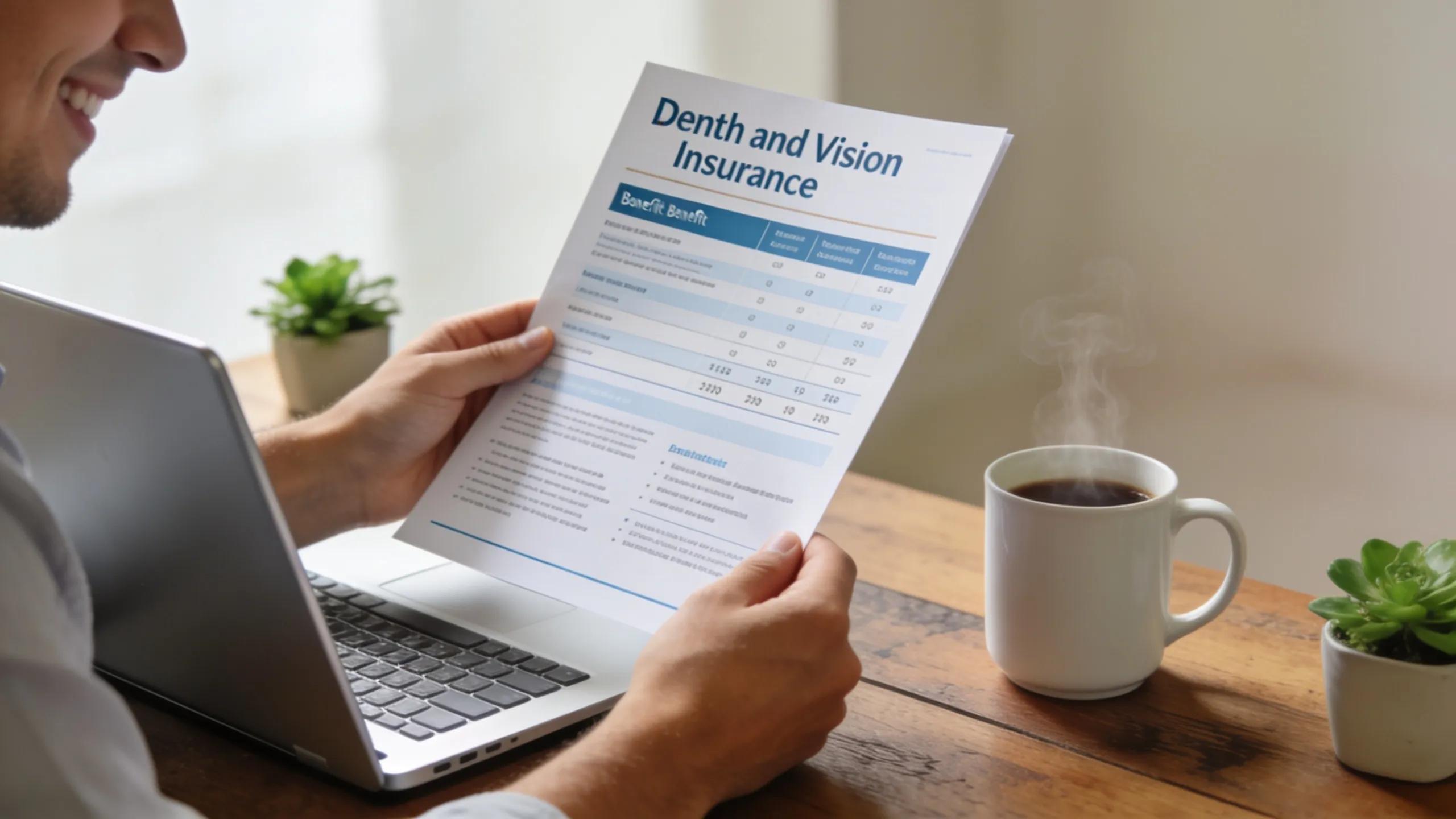
Incorporating dental and vision coverage into an employee benefits package confers multiple advantages impacting overall workforce health, productivity, and satisfaction. Access to regular dental care helps prevent oral diseases, such as cavities and gum disease, reducing sick days and associated costs from dental emergencies or chronic conditions. Additionally, dental benefits promote preventive hygiene visits, which can detect systemic health issues like diabetes or heart disease early. Meanwhile, vision benefits address essential eye health needs in an increasingly digital work environment, mitigating issues like eye strain, computer vision syndrome, and vision deterioration linked to prolonged screen exposure and near work commonly experienced in office and remote settings.
Offering these coverages projects an employer’s commitment to comprehensive employee wellness, enhancing workplace satisfaction and supporting retention efforts by meeting employee expectations for holistic health benefits. These benefits additionally appeal to prospective hires who value well-rounded health plans supporting preventive care, overall quality of life, and reduced healthcare-related absenteeism, thereby strengthening recruitment efforts in competitive labor markets.
What Are the Key Features of Dental Insurance Brokers in Dearborn?
Dental insurance brokers in Dearborn specialize in optimizing oral health benefits for employees through custom-tailored dental insurance solutions. Key features include flexible plans that cover routine preventive care such as cleanings, exams, fluoride treatments, and dental X-rays, along with coverage for major procedures including orthodontics, restorative treatments, periodontal care, oral surgery, and cosmetic dentistry options, all designed to minimize out-of-pocket expenses for employees while maximizing plan utilization and network provider access.
These brokers provide continuous education and support to employers and employees, ensuring clear understanding and effective utilization of dental benefits. Emphasizing preventive care encourages healthier outcomes and can lower long-term healthcare expenditures for employers by reducing costly dental emergencies and promoting early intervention. Additionally, brokers assist with claims management, provider negotiations, and plan design optimization to ensure dental benefits align with overall employee health strategy and budget considerations.
Why Partner with Vision Insurance Brokers for Employee Benefits?
Vision insurance brokers bring expertise in securing high-quality vision care benefits tailored to the specific needs of businesses and their employees. They navigate a complex array of plans and providers to achieve optimal coverage options that balance cost and comprehensive care, including coverage for eye exams, prescription glasses, contact lenses, frames, lens enhancements such as anti-glare coatings, UV protection, and laser vision correction procedures like LASIK.
Employers benefit from brokers’ proficiency in managing claims, negotiating network discounts, and addressing employee questions, improving customer service and claims resolution speed. Customized solutions from vision brokers ensure that employee benefits align with workforce demographics, job functions, and business objectives, ultimately promoting eye health, reducing eye strain-related productivity losses, and contributing to overall employee wellness. Vision benefits integration with wellness programs further enhances ROI by addressing common workplace health concerns linked to vision.
What Disability and Life Insurance Solutions Can Enhance Your Employee Benefits Package?
Adding disability and life insurance options to employee benefits packages provides essential financial security, helping employees and their families navigate unexpected events with peace of mind. Disability insurance safeguards income during illness or injury, offering protection against lost wages and reducing financial hardship during recovery periods. This coverage is particularly valuable considering the rising incidences of chronic illness and workplace-related injuries unrelated to compensation claims.
Life insurance supports employees’ loved ones with financial protection through death benefits, reinforcing an employer’s commitment to holistic employee welfare and family security. Such comprehensive coverage strengthens workplace culture by fostering trust and loyalty, positively influencing employee engagement, job satisfaction, and long-term retention. Enhanced life and disability coverage options, including supplemental and voluntary plans, provide flexible solutions for diverse employee needs and budgets.
How Does Disability Insurance Protect Your Workforce in Dearborn?
Disability insurance is imperative for maintaining employee financial stability during unforeseen health challenges. Offering both short-term disability (STD) and long-term disability (LTD) policies, employers provide vital support that enables employees to focus on recovery without income loss stress. This safety net encourages workforce resilience and reduces turnover triggered by financial insecurity. STD typically covers absences up to six months, while LTD policies protect against prolonged disabilities, with options for partial or total disability benefits.
The perceived value of disability benefits positively impacts employee morale and retention, as workers recognize the tangible protections available through their employer’s benefits program. These plans typically cover a percentage of salary, commonly between 60% to 70%, and brokers assist in selecting policies with appropriate waiting periods, benefit durations, coverage limits, and cost structures to fit company demographics and budgets, ensuring alignment with workforce needs.
Why Choose Life Insurance Coverage Through a Dearborn Benefits Broker?
Opting for life insurance coverage through a Dearborn benefits broker delivers tailored solutions that address the nuanced needs of different businesses. Brokers possess in-depth knowledge to guide employers through policy complexities, helping select cost-effective plans such as group term life, whole life, or universal life insurance that maximize benefits for employees while respecting budget constraints and regulatory compliance.
Furthermore, brokers offer strategic cost control advice, such as leveraging voluntary life insurance options, beneficiary management tools, and premium funding strategies, and simplify administrative challenges, transforming life insurance procurement from a cumbersome process into an efficient, transparent experience. Their ongoing support ensures that life insurance benefits remain aligned with evolving workforce needs, legal requirements, and industry best practices, enhancing overall employee compensation packages and employer brand reputation.
What Are Advanced Health Reimbursement Arrangements and How Do QSEHRA and ICHRA Compare?
Advanced health reimbursement arrangements (HRAs), including Qualified Small Employer Health Reimbursement Arrangements (QSEHRA) and Individual Coverage Health Reimbursement Arrangements (ICHRA), offer innovative options for employers aiming to optimize employee healthcare benefits. These arrangements enable employers to reimburse employees for premiums and qualified out-of-pocket costs of individual health insurance plans, providing flexibility, affordability, and personalized coverage alternatives in a cost-controlled manner.
Comparing QSEHRA and ICHRA reveals differences in eligibility, contribution limits, plan design flexibility, and employee choice parameters. QSEHRA suits smaller businesses with fewer than 50 employees, limits reimbursements to defined annual amounts, and works alongside individual market plans without involving group health coverage. In contrast, ICHRA accommodates larger employer groups, offers more extensive customization, and expands potential tax advantages, making it a versatile solution for diverse workforce segments and benefit administration strategies. Both HRAs support employee empowerment in selecting coverage that meets individual needs while maintaining employer cost predictability and compliance.
What Tax Advantages Do QSEHRA and ICHRA Offer to Small Businesses?
Both QSEHRA and ICHRA provide substantial tax benefits. Employer contributions toward these arrangements are generally tax-deductible, effectively reducing taxable business income. Employees receive reimbursements for qualified medical expenses tax-free, increasing the net value of their benefits package while promoting cost transparency and employee ownership over healthcare choices.
These arrangements empower small businesses to maintain fiscal responsibility while delivering comprehensive healthcare support, making them attractive components of competitive compensation offerings that also comply with IRS and Department of Labor regulations. Additionally, HRAs reduce administrative burdens by simplifying premium reimbursement and facilitating adherence to Affordable Care Act mandates.
How to Determine the Best Health Reimbursement Arrangement for Your Dearborn Business?
Selecting the ideal health reimbursement arrangement requires analysis of the company’s size, workforce needs, financial considerations, and existing benefits infrastructure. Critical assessments include evaluating employee eligibility criteria, potential contribution limits, compatibility with existing group health plans, and administrative capabilities.
Employers should also consider administrative complexity, compliance obligations under the Affordable Care Act, and communication strategies associated with each arrangement. Partnering with an experienced benefits broker simplifies this decision-making process, ensuring that chosen plans maximize benefit delivery, operational efficiency, and employee satisfaction. Brokers also assist in creating effective educational materials and enrollment processes to enhance employee understanding and participation.
How Does Benefits Plan Management and Compliance Consulting Simplify Employee Coverage?
Benefits plan management and compliance consulting provide critical expertise that simplifies the intricate task of designing and administering employee coverage. Brokers specializing in compliance ensure that benefit programs satisfy all applicable state and federal laws, including the Affordable Care Act requirements, ERISA standards, IRS reporting obligations, and Michigan-specific regulations, safeguarding businesses from penalties, audits, and reputational risks.
Through tailored consultation, brokers align benefits offerings with organizational goals, employee preferences, and legal requirements, optimizing plan effectiveness. Their ongoing support reduces administrative burden, streamlines vendor coordination, and enhances communication between employers, employees, and insurance providers, contributing to a seamless benefits experience. Advanced technology platforms offered by brokers facilitate efficient enrollment, benefits tracking, claims management, and reporting, improving operational workflows and data accuracy.
What Are the Latest Compliance Requirements for Employee Benefits in Michigan?
Staying current with evolving compliance requirements in Michigan is essential for employers. Regulations under the Affordable Care Act, state mandates including Michigan’s insurance laws, and updates in reporting standards such as IRS Form 1095-C affect benefit plan design, eligibility thresholds, and administration. Employers must also be attentive to mental health parity rules, preventive service coverage, and transparency mandates that impact plan offerings.
Recent legislative developments may influence coverage minimums, employee eligibility criteria, employer reporting duties, and benefits disclosures. Engaging benefits experts ensures timely adaptation to these changes, securing organizational compliance, minimizing risk exposure, and reinforcing employee trust through transparent and legally compliant benefits communication. Continuous monitoring and audit preparation support reduce vulnerabilities and enhance stakeholder confidence.
How Can CFH Insurance Consultants Support Benefits Administration Efficiency?
CFH Insurance Consultants specialize in advancing benefits administration efficiency by offering integrated plan design, vendor coordination, and compliance monitoring services. Their expertise streamlines communication among insurance carriers, third-party administrators, and employers, reducing duplication of effort, errors, and operational costs.
Enhanced efficiency results in lower administrative costs and improved employee engagement through clearer benefits communication, digital enrollment platforms, and user-friendly interfaces, ultimately driving higher satisfaction, engagement, and measurable value from benefits programs. CFH also conducts benefits audits, employee surveys, and benchmarking analyses to continually optimize plan performance and cost-effectiveness.
Why Choose a Local Employee Benefits Broker in Dearborn, MI for Your Business?
Selecting a local employee benefits broker in Dearborn provides valuable advantages rooted in geographic and market familiarity. Local brokers understand regional regulatory nuances, competitive insurance markets, and community-specific workforce trends, enabling tailored solutions that address area-specific challenges with precision.
These brokers cultivate strong relationships within the business community, which facilitates personalized service, rapid responsiveness, and access to local insurance networks and regional carriers. Their localized expertise translates into benefits packages that are strategically optimized for both employer objectives and employee needs, fostering sustainable business growth and boosting recruitment and retention efforts in the Dearborn area. Additionally, local brokers are adept at navigating Michigan’s complex healthcare and insurance environment, ensuring clients benefit from relevant programs, subsidies, and compliance resources.
How Does CFH Insurance Consultants Customize Benefits for Dearborn Employers?
CFH Insurance Consultants excel at customizing employee benefits for Dearborn employers through comprehensive needs assessments. This process uncovers unique business goals, workforce characteristics, competitive positioning, and budget parameters to develop aligned, innovative benefit plans tailored to industry, company size, and demographic trends.
They offer hands-on implementation support, ongoing compliance consultation, benefit plan audits, and adaptive plan management to keep benefits packages current with legal requirements and workforce expectations. This personalized, proactive approach maximizes the effectiveness of employee benefits as a core retention and recruitment tool, positioning businesses for long-term success in a competitive talent market. Emphasis on transparent communication strategies and educational initiatives enhance employee awareness and utilization of available benefits.
What Do Businesses Say About Employee Benefits Brokers in Dearborn?
Feedback from Dearborn area businesses frequently emphasizes the value of personalized service, deep community knowledge, and strategic benefits consulting provided by local employee benefits brokers. Employers appreciate brokers’ commitment to understanding local market trends, evolving insurance options, and regulatory environments, which bolsters the quality and competitiveness of benefits offerings.
Testimonials underscore brokers’ success in managing costs while delivering comprehensive, meaningful benefits that address workforce needs across health, dental, vision, disability, life, and advanced reimbursement options. These positive experiences correlate with improved employee retention, enhanced workplace culture, and measurable improvements in employee wellness, highlighting the essential role skilled employee benefits brokers play in bolstering small business success in Dearborn and southeast Michigan. Many clients report increased employee satisfaction scores and reduced healthcare claims costs over time, demonstrating tangible returns on their investment in expert brokerage services.