

Employee Benefits Enrollment: Essential Open Enrollment Planning and Communication Strategies
By Andrew Henze, CFH Insurance Consultants
Open enrollment is a critical period for employees to select their benefits, making effective planning and communication essential for organizations. During this time, employees must navigate various options, including health, dental, and vision insurance, which can significantly impact their well-being and financial security. This article explores the importance of open enrollment, comprehensive strategic planning frameworks, specific communication templates and timelines, Michigan employer compliance requirements, best practices for benefits education and employee engagement, metrics for measuring success, and expert guidance on ACA reporting, QSEHRA/ICHRA enrollment, and technology platforms for enrollment management. By addressing these key areas, employers can ensure a smooth enrollment process that maximizes employee engagement and satisfaction.
What is Open Enrollment and Why is it Important for Employee Benefits?
Open enrollment is a designated period during which employees can enroll in or make changes to their benefits plans, including health, dental, and vision insurance. This period is crucial as it allows employees to assess their needs and select the coverage that best fits their circumstances. The decisions made during open enrollment can have lasting effects on employees’ health and financial stability, making it essential for organizations to communicate effectively about available options. Furthermore, understanding the significance of this period helps ensure organizational compliance with regulations and enhances employee satisfaction.
Comprehensive Strategic Planning Framework for Open Enrollment
Effective open enrollment requires a structured strategic planning framework that guides employers through preparation, execution, and evaluation phases. The following framework outlines key components:
- Assessment and Goal Setting: Analyze previous enrollment data, employee feedback, and regulatory changes to set clear, measurable objectives such as increasing participation rates or improving benefits understanding.
- Benefit Design Review: Collaborate with benefits providers to review and update plan offerings, ensuring alignment with employee needs and compliance requirements.
- Communication Planning: Develop a multi-channel communication strategy with tailored messaging for diverse employee segments.
- Technology Integration: Select and implement enrollment management platforms that streamline processes and enhance user experience.
- Training and Support: Prepare HR teams and benefits champions with training to assist employees effectively.
- Implementation and Monitoring: Launch enrollment activities, monitor participation metrics in real-time, and provide ongoing support.
- Post-Enrollment Evaluation: Analyze outcomes against goals, gather employee feedback, and identify areas for improvement.
Specific Communication Templates and Timelines for Open Enrollment
Clear, timely communication is vital to successful open enrollment. Below is a recommended timeline with sample communication templates:
Michigan Employer Compliance Requirements During Open Enrollment
Employers in Michigan must adhere to specific state and federal regulations during open enrollment, including:
- Michigan Paid Medical Leave Act: Employers must ensure that benefits offerings comply with paid medical leave requirements and communicate any relevant changes.
- Affordable Care Act (ACA) Compliance: Michigan employers with 50 or more full-time equivalent employees must offer affordable health coverage and report coverage information to the IRS.
- ERISA and HIPAA Regulations: Maintain compliance with federal laws governing employee benefits privacy and plan administration.
- State Insurance Mandates: Stay updated on Michigan-specific insurance mandates that may affect plan offerings.
Employers should consult with legal counsel or benefits advisors to ensure full compliance and timely communication of any regulatory changes during open enrollment.
Best Practices for Benefits Education and Employee Engagement
To maximize employee understanding and participation, employers should adopt the following best practices:
- Interactive Education Sessions: Host webinars, workshops, and Q&A sessions that encourage employee interaction and clarify complex benefits information.
- Personalized Benefits Counseling: Offer one-on-one consultations or virtual meetings with benefits specialists to address individual employee needs.
- Use of Multimedia Tools: Incorporate videos, infographics, and interactive decision aids to simplify benefits information.
- Gamification and Incentives: Implement gamified learning modules or offer incentives such as wellness points or gift cards to motivate engagement.
- Accessible Resources: Provide easy-to-navigate online portals and mobile-friendly materials to ensure employees can access information anytime.
- Peer Advocacy Programs: Train employee benefits champions to promote enrollment and answer questions within teams.
Metrics for Measuring Open Enrollment Success
Tracking key performance indicators (KPIs) helps employers evaluate the effectiveness of their open enrollment efforts. Important metrics include:
- Participation Rate: Percentage of eligible employees who complete enrollment.
- Plan Change Rate: Number of employees making changes to their benefits selections.
- Employee Satisfaction Scores: Feedback collected through surveys regarding the enrollment experience.
- Help Desk Volume and Resolution Time: Number of inquiries and average time to resolve employee questions.
- Completion Rate of Educational Activities: Engagement levels with webinars, workshops, and online resources.
- Compliance Rate: Adherence to regulatory deadlines and reporting requirements.
Expert Guidance on ACA Reporting Coordination
ACA reporting is a critical compliance component for applicable large employers (ALEs). Best practices include:
- Early Data Collection: Gather employee hours and coverage data throughout the year to ensure accuracy.
- Use of Automated Systems: Leverage benefits enrollment software that integrates ACA reporting features to reduce errors.
- Coordination with Payroll: Align benefits data with payroll records to verify full-time employee status and coverage offers.
- Timely Filing: Submit IRS Forms 1094-C and 1095-C by the required deadlines to avoid penalties.
- Employee Communication: Inform employees about their ACA forms and how to access them.
Integrating QSEHRA and ICHRA Enrollment Considerations
Qualified Small Employer Health Reimbursement Arrangements (QSEHRA) and Individual Coverage Health Reimbursement Arrangements (ICHRA) offer flexible alternatives to traditional group health plans. Key considerations for enrollment planning include:
- Eligibility Assessment: Determine if your business qualifies for QSEHRA (small employers) or ICHRA (any size employer).
- Plan Design and Documentation: Draft clear plan documents outlining contribution limits, eligible expenses, and employee responsibilities.
- Employee Education: Provide detailed explanations of how these arrangements work, including tax implications and enrollment steps.
- Coordination with Individual Market Coverage: Ensure employees understand the need to purchase individual health insurance to use these reimbursements.
- Enrollment Platform Integration: Use technology platforms that support QSEHRA/ICHRA enrollment and tracking.
Technology Platforms for Enrollment Management
Modern enrollment technology platforms enhance efficiency and employee experience. Features to consider include:
- User-Friendly Interface: Intuitive design that simplifies benefits selection and enrollment.
- Mobile Accessibility: Support for enrollment via smartphones and tablets.
- Integration Capabilities: Seamless connection with HRIS, payroll, and ACA reporting systems.
- Automated Communications: Scheduled reminders, alerts, and personalized messaging.
- Data Security and Compliance: Robust protections to safeguard sensitive employee information.
- Analytics and Reporting: Real-time dashboards to monitor participation and identify trends.
What is Open Enrollment and Why is it Important for Employee Benefits?
Open enrollment is a designated period during which employees can enroll in or make changes to their benefits plans, including health, dental, and vision insurance. This period is crucial as it allows employees to assess their needs and select the coverage that best fits their circumstances. The decisions made during open enrollment can have lasting effects on employees’ health and financial stability, making it essential for organizations to communicate effectively about available options. Furthermore, understanding the significance of this period helps ensure organizational compliance with regulations and enhances employee satisfaction.
How Does Open Enrollment Affect Health, Dental, and Vision Insurance?
Open enrollment directly impacts health, dental, and vision insurance by providing employees the opportunity to choose or modify their coverage. During this time, employees can evaluate their current plans and make necessary adjustments based on changes in their health needs or family situations. For instance, an employee may opt for a more comprehensive health plan if they anticipate medical expenses due to a new family member. Additionally, understanding the implications of open enrollment helps employees make informed choices that align with their healthcare needs and financial goals.
How Can Employers Prepare an Effective Open Enrollment Checklist?
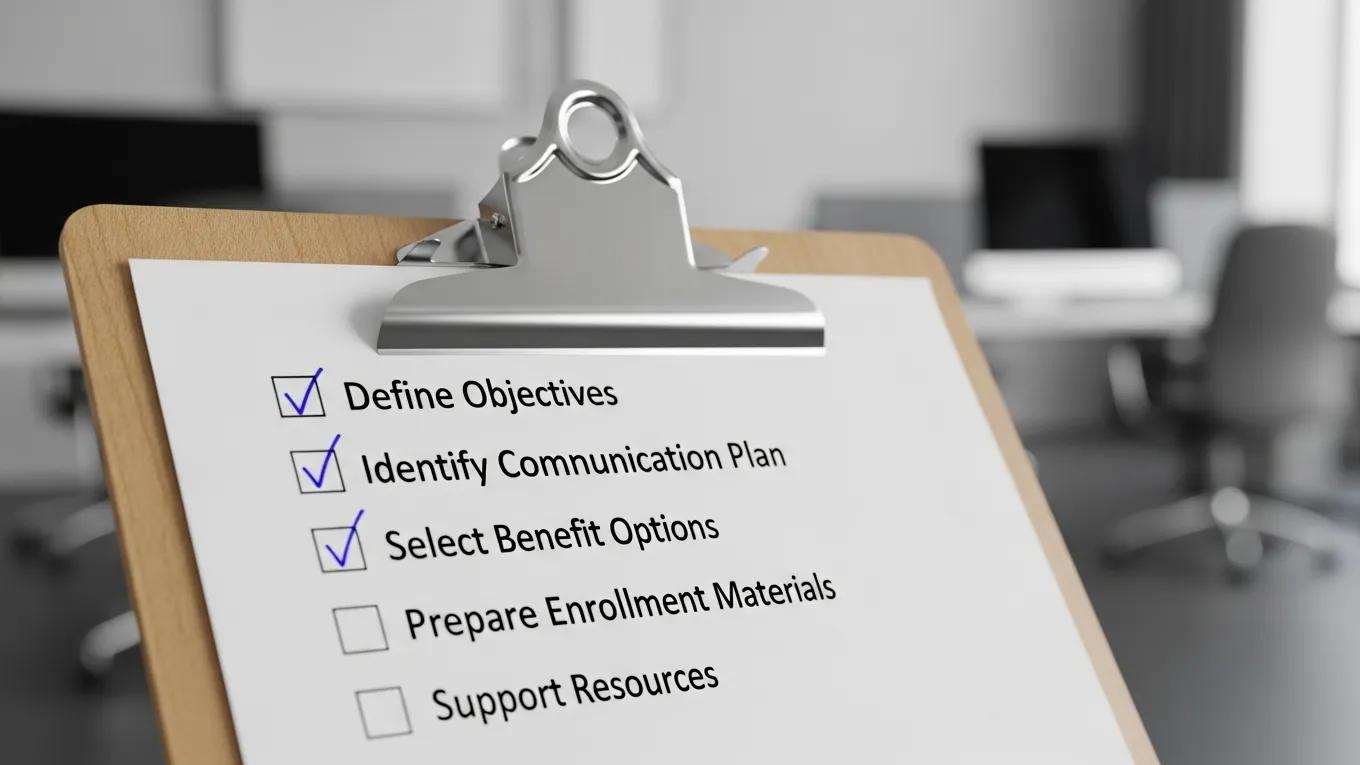
To ensure a successful open enrollment period, employers should prepare a comprehensive checklist that outlines essential steps and considerations. This checklist can include:
- Define Objectives: Establish clear goals for the open enrollment period, such as increasing employee participation or improving communication.
- Identify Target Audience: Understand the demographics of employees to tailor communication strategies effectively.
- Benefit Options: Review and update the benefits offered to ensure they meet employee needs and comply with regulations.
- Costs and Deadlines: Clearly communicate any changes in costs and important deadlines to avoid confusion.
- Support Resources: Provide resources such as FAQs, webinars, or one-on-one sessions to assist employees in making informed decisions.
- Feedback Mechanisms: Implement ways to gather employee feedback post-enrollment to improve future processes.
What Steps Should Be Included in a Benefits Enrollment Checklist?
Creating a benefits enrollment checklist involves several critical steps to ensure a smooth process. Key steps include:
- Define Objectives: Clearly outline the goals for the enrollment period, such as increasing participation rates or enhancing employee understanding of benefits.
- Identify Target Audience: Understand the demographics and needs of employees to tailor communication effectively.
- Develop Communication Strategies: Create a plan for how to communicate benefits information, including channels and messaging.
- Provide Comprehensive Information: Ensure that all necessary information about benefits options is readily available and easy to understand.
- Engagement Techniques: Utilize various engagement techniques, such as interactive tools or gamification, to encourage participation.
- Regular Updates: Keep employees informed throughout the enrollment period with regular updates and reminders.
- Feedback Mechanisms: Establish ways to collect feedback from employees to improve future enrollment processes.
- Monitor Participation Rates: Track participation rates to identify areas for improvement.
- Post-Enrollment Review: Conduct a review after the enrollment period to assess what worked well and what could be improved.
How to Integrate Alternative Benefits like QSEHRA and ICHRA in Enrollment Planning?
Integrating alternative benefits such as Qualified Small Employer Health Reimbursement Arrangements (QSEHRA) and Individual Coverage Health Reimbursement Arrangements (ICHRA) into enrollment planning requires careful consideration. Employers should assess their business size and structure to determine the best fit for their workforce. Evaluating employee needs is crucial to ensure that the benefits offered align with their preferences and requirements. Drafting a clear plan document outlining the benefits, contribution levels, and compliance requirements is essential for successful implementation. Additionally, clear communication of these alternative benefits is vital to facilitate easy enrollment and ensure employees understand their options.
What Are the Best Benefits Communication Strategies During Open Enrollment?

Effective communication strategies during open enrollment are essential for maximizing employee understanding and participation. Key strategies include:
- Multi-Channel Approach: Utilize various communication channels, such as emails, webinars, and in-person meetings, to reach employees effectively.
- Personalized Messaging: Tailor messages to different employee segments to address their specific needs and concerns.
- Interactive Tools: Implement interactive tools, such as decision aids or calculators, to help employees navigate their options.
- Key Messages: Clearly communicate key messages about benefits changes, deadlines, and available resources.
- Ongoing Support: Provide continuous support throughout the enrollment period, including access to HR representatives for questions.
How to Use Email and Digital Tools to Enhance Benefits Communication?
Email and digital tools play a crucial role in enhancing benefits communication during open enrollment. Employers can leverage these tools to provide clear and timely information to employees. Key strategies include:
- Clear Communication: Use straightforward language in emails to explain benefits options and changes.
- Regular Updates: Send regular email updates to keep employees informed about important deadlines and resources.
- Employee Education Initiatives: Offer educational webinars or online resources to help employees understand their benefits better.
- Utilize Multiple Communication Channels: Combine email with other digital tools, such as intranet portals or mobile apps, to reach employees where they are.
- Personalized Messaging: Tailor emails to address specific employee needs and preferences.
- Interactive Tools: Incorporate interactive elements, such as quizzes or surveys, to engage employees and gather feedback.
- Mobile Accessibility: Ensure that all digital resources are accessible on mobile devices for convenience.
What Are Examples of Successful Employee Benefits Communication Plans?
Successful employee benefits communication plans often incorporate a variety of strategies to engage employees effectively. For instance, some organizations utilize a combination of in-person meetings, webinars, and digital resources to provide comprehensive information about benefits options. Additionally, using feedback mechanisms, such as surveys, allows employers to gauge employee understanding and satisfaction with the communication process. By continuously refining their communication strategies based on employee feedback, organizations can enhance the effectiveness of their benefits communication plans.
Which Health Insurance Enrollment Tips Improve Employee Participation?
To improve employee participation in health insurance enrollment, employers can implement several effective strategies:
- Effective Communication Methods: Utilize clear and concise communication to explain the benefits and importance of enrollment.
- Engagement Strategies: Create engaging content, such as videos or infographics, to capture employee interest.
- Potential Incentives: Consider offering incentives, such as gift cards or wellness program points, to encourage participation.
How to Meet Enrollment Deadlines and Compliance Requirements?
Meeting enrollment deadlines and compliance requirements is essential for a successful open enrollment period. Employers can adopt several strategies to ensure they stay on track:
- Clear Communication of Deadlines: Clearly communicate all important deadlines to employees well in advance.
- Educational Initiatives: Provide educational resources to help employees understand the enrollment process and requirements.
- Utilize Technology: Implement technology solutions, such as enrollment software, to streamline the process and ensure compliance.
- Regular Updates: Send regular reminders about upcoming deadlines and important information.
- Personalized Support: Offer personalized support to employees who may have questions or need assistance.
- Compliance Management: Stay informed about regulatory changes and ensure that all benefits offerings comply with current laws.
- Feedback Mechanisms: Establish ways to gather feedback from employees to improve future enrollment processes.
What Role Does Benefits Enrollment Software Play in Streamlining the Process?
Benefits enrollment software plays a vital role in streamlining the enrollment process for both employers and employees. This software typically features a user-friendly interface that simplifies the selection and enrollment process. Integration with HR systems allows for seamless data management and reduces administrative burdens. Additionally, automation of enrollment processes helps ensure that deadlines are met and compliance requirements are fulfilled. Mobile accessibility enables employees to access their benefits information anytime, anywhere, enhancing convenience. Furthermore, data analytics capabilities provide valuable insights into employee participation and preferences, allowing for continuous improvement in benefits offerings.