

By Andrew Henze, CFH Insurance Consultants
Ancillary benefits play a crucial role in the overall compensation package offered by employers in Michigan. These benefits, which include life and disability insurance, not only enhance employee satisfaction but also contribute to a more engaged workforce. In this guide, we will explore the various types of ancillary benefits available to Michigan employers, focusing on life and disability insurance options, compliance requirements, and the implications for employers. Understanding these elements is essential for businesses looking to attract and retain top talent while ensuring they meet legal obligations. We will also discuss alternative funding models and complementary employee benefits that can further enhance employee benefits package.
Life and Disability Benefits
Life and disability benefits are essential components of an employee benefits package, providing financial security and peace of mind. These benefits serve to protect employees and their families in the event of unforeseen circumstances, such as illness or death. Employers in Michigan can offer various types of life and disability insurance, which can significantly impact employee benefits and satisfaction.
Group dental insurance is one of the most sought-after ancillary benefits for Michigan employers, helping employees maintain oral health while reducing out-of-pocket costs. Short-term and long-term disability insurance provides essential income protection for employees who cannot work due to illness or injury, forming a critical part of a comprehensive ancillary benefits package.
Disability Insurance
Disability insurance is designed to provide income replacement for employees who are unable to work due to illness or injury. There are two primary types of disability insurance that employers can offer:
- Short-Term Disability (STD): This type of insurance typically covers a portion of an employee’s salary for a limited period, usually up to six months. It helps employees manage their finances while they recover from temporary disabilities.
- Long-Term Disability (LTD): LTD insurance provides coverage for an extended period, often until retirement age, for employees who are unable to work due to a long-term disability. This benefit is crucial for ensuring financial stability during prolonged periods of inability to work.
By offering these types of disability insurance, employers demonstrate their commitment to employee well-being and financial security.
Research highlights the importance of effective employer strategies in managing and preventing work-related disabilities.
Michigan Employer Disability Prevention & Management
This study is a significant step forward hi our understanding of the impact of specific disability prevention and management policies and practices. It provides the most credible empirical evidence to date on the effectiveness of various employer strategies for reducing the incidence and duration of work-related disabilities.
Disability prevention among Michigan employers, 1988-1993, HA Hunt, 1988
Life Insurance
Life insurance is another vital benefit that employers can provide to their employees. There are generally two types of life insurance options available:
- Basic Group Life Insurance: This is often provided at no cost to employees and offers a predetermined benefit amount in the event of the employee’s death. It serves as a foundational benefit that can provide peace of mind to employees and their families.
- Supplemental Options: Employers may also offer supplemental life insurance, allowing employees to purchase additional coverage beyond the basic group policy. This option enables employees to tailor their life insurance needs according to their personal circumstances.
Providing life insurance options not only enhances the overall benefits package but also helps in attracting and retaining talent.
Compliance Insights
Compliance with state and federal regulations regarding ancillary benefits is crucial for Michigan employers. Understanding these requirements helps businesses avoid legal pitfalls and ensures that they provide necessary protections for their employees.
Implications for Employers
Offering ancillary benefits such as life and disability insurance can significantly impact employee retention and overall workplace wellness. Employers who prioritize these benefits often see higher levels of employee satisfaction and loyalty. Additionally, utilizing brokers and consultants can help employers navigate the complexities of benefits administration and compliance.
What Are the Key Ancillary Benefits Michigan Employers Should Offer?
Michigan employers should consider offering the following key ancillary benefits to enhance their employee benefits package:
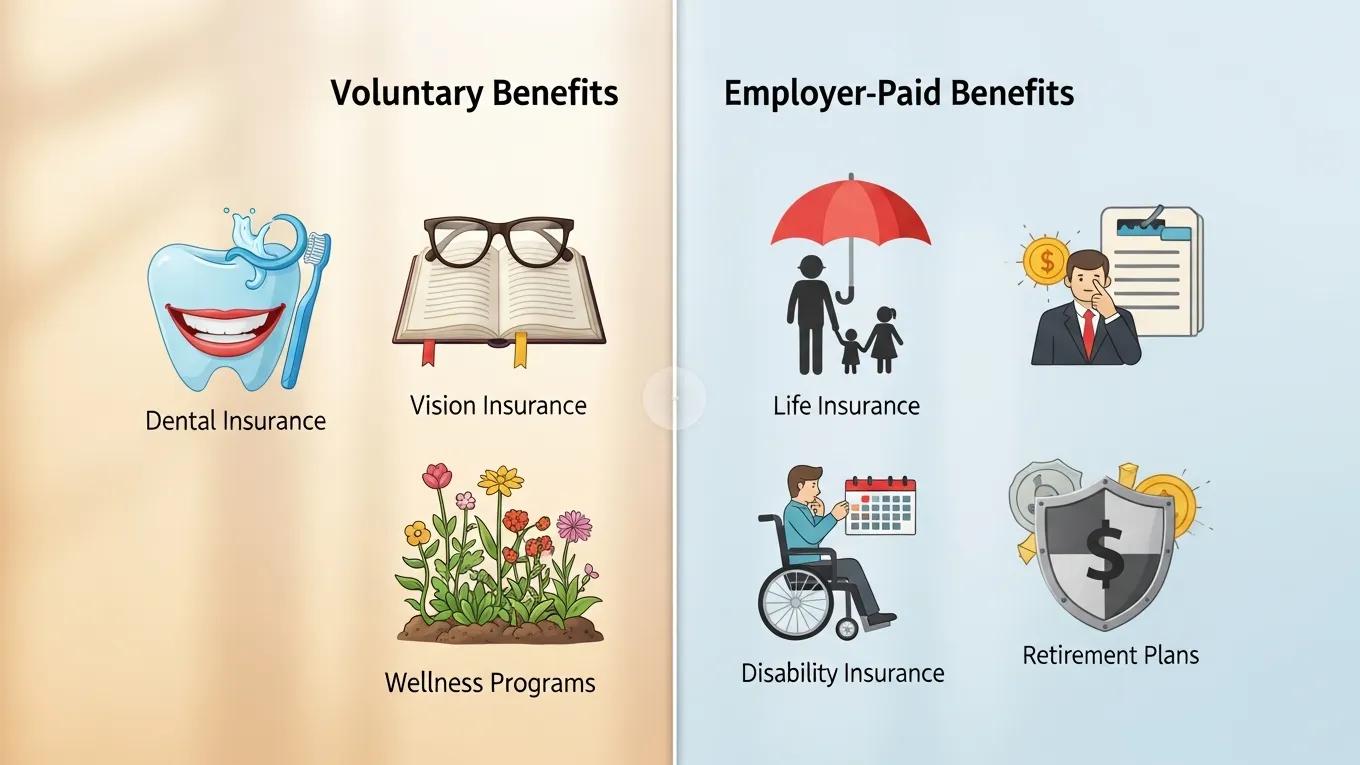
- Dental Insurance: Essential for maintaining oral health and preventing costly dental procedures.
- Vision Insurance: Supports employees in managing eye health and vision correction needs.
- Supplemental Insurance Options: Provides additional financial protection for employees facing unexpected health issues.
These benefits not only improve employee satisfaction but also contribute to a healthier and more productive workforce.
Which Life Insurance Options Are Available for Michigan Small Businesses?
Small businesses in Michigan can choose from various life insurance options, including group life insurance policies that provide coverage for all employees. These policies often come with lower premiums due to the collective risk pool. Additionally, small businesses can explore individual life insurance policies for employees who may require more personalized coverage.
How Does Disability Insurance Protect Michigan Employees?
Disability insurance is vital for protecting Michigan employees by providing financial support during periods of illness or injury. This coverage ensures that employees can maintain their standard of living while they recover, demonstrating an employer’s commitment to their workforce. By offering both short-term and long-term disability options, employers can cater to the diverse needs of their employees.
What Are the Compliance Requirements for Ancillary Benefits in Michigan?
Michigan employers must adhere to several compliance requirements regarding ancillary benefits. Key considerations include:
- Federal and State Regulations: Employers must comply with laws such as the Employee Retirement Income Security Act (ERISA) and the Affordable Care Act (ACA).
- Documentation Requirements: Proper documentation of benefits offered and employee eligibility is essential for compliance.
- Best Practices for Compliance: Regular audits and consultations with legal experts can help ensure adherence to all applicable regulations.
Which Michigan State Laws Govern Employee Disability and Life Insurance?
Michigan state laws dictate specific requirements for employee disability and life insurance, including minimum coverage amounts and eligibility criteria. Employers must stay informed about these laws to ensure compliance and protect their employees adequately.
How Can Employers Ensure Ancillary Benefits Compliance in 2026?
To ensure compliance with ancillary benefits regulations in 2026, employers should:
- Stay Updated on Regulations: Regularly review changes in state and federal laws affecting employee benefits.
- Implement Robust Documentation Practices: Maintain accurate records of all benefits offered and employee participation.
- Consult with Experts: Engage with benefits consultants or legal advisors to navigate complex compliance issues effectively.
How Can Michigan Employers Use Alternative Funding Models Like QSEHRA and ICHRA?
Employers in Michigan can explore alternative funding models such as Qualified Small Employer Health Reimbursement Arrangements (QSEHRA) and Individual Coverage Health Reimbursement Arrangements (ICHRA) to provide flexible benefits to employees. These models allow employers to reimburse employees for individual health insurance premiums and other qualified medical expenses, offering a tailored approach to employee benefits.
What Are the Benefits of QSEHRA for Small Business Employee Benefits?
QSEHRA offers several advantages for small businesses, including:
- Cost Control: Employers can set a fixed budget for reimbursements, making it easier to manage expenses.
- Tax Advantages: Contributions made to QSEHRA are tax-deductible for employers, providing financial benefits.
- Employee Flexibility: Employees can choose their health insurance plans, ensuring they select coverage that meets their individual needs.
How Does ICHRA Support Flexible Ancillary Benefits Funding?
ICHRA provides a flexible funding model that allows employers to offer personalized benefits to employees. Key benefits of ICHRA include:
- Flexibility in Contributions: Employers can adjust contributions based on employee categories, such as full-time or part-time status.
- Employee Choice: Employees can select their health insurance plans, promoting satisfaction and engagement.
- Cost Control: Similar to QSEHRA, ICHRA allows employers to manage their benefits budget effectively.
What Complementary Benefits Should Michigan Employers Consider Beyond Life and Disability?
In addition to life and disability insurance, Michigan employers should consider offering complementary benefits that enhance employee satisfaction and retention. These may include:
- Dental Insurance: Essential for maintaining oral health and preventing costly dental procedures.
- Vision Insurance: Supports employees in managing eye health and vision correction needs.
- Wellness Programs: Initiatives that promote physical and mental well-being can significantly impact employee morale and productivity.
Why Include Dental and Vision Insurance in Employee Benefit Packages?
Including dental and vision insurance in employee benefit packages is crucial for several reasons:
- Employee Satisfaction: Comprehensive benefits packages contribute to higher employee satisfaction and loyalty.
- Health Outcomes: Access to dental and vision care can lead to better overall health outcomes for employees.
- Attracting Talent: Competitive benefits packages help attract top talent in a competitive job market.
How Do Complementary Benefits Impact Employee Satisfaction and Retention?
Complementary benefits play a significant role in enhancing employee satisfaction and retention. By providing a well-rounded benefits package, employers can foster a positive workplace culture and demonstrate their commitment to employee well-being. This, in turn, can lead to lower turnover rates and a more engaged workforce.
To learn more about life and disability options, contact us today.

5 thoughts on “The Ultimate Guide to Ancillary Benefits for Michigan Employers: Life, Disability, and Compliance Insights”
Comments are closed.